Making fresh peanut, almond, sesame, or mixed-nut butter is faster and more consistent with the right electric grinder. This roundup compares 10 machines ranging from compact home-friendly models to higher-capacity commercial units.
Before choosing, consider more than wattage: grinding speed, texture control, heat management, hopper size, noise, cleaning, and electrical compatibility all affect daily performance.
Best 10 Electric Nut Butter Machines Picks for 2026
High-Capacity Quiet Grinder
1100W Electric Nut Butter Machine

- 33.07-lb-per-hour grinding capacity
- Low-noise 1100W motor
- Stainless steel and aluminum construction
Best For: High-volume home or small-business grinding
Adjustable Commercial Pick
1100W Commercial Peanut Butter Machine

- Adjustable coarse-to-fine grinding
- 33-lb-per-hour output
- Fully assembled with safety features
Best For: Frequent users needing texture control
Compact Household Option

- Small 500ml batch capacity
- Lightweight 1.3kg design
- 250W motor for DIY nut spreads
Best For: Occasional small-batch household use
Secure High-Output Mill
1100W 33-Lb/H Nut Butter Grinder

- 33.07-lb-per-hour capacity
- Adjustable grind coarseness
- Lock, guard, and non-slip base
Best For: High-volume users wanting stable operation
High-Capacity Workhorse
1900W Commercial Peanut Butter Maker
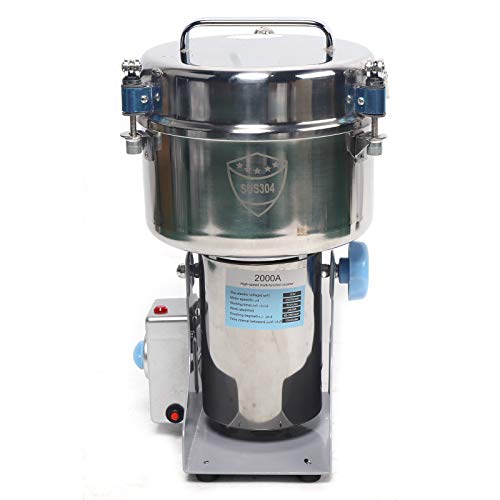
- 1900W motor with 32,000 RPM operation
- 4-pound collection container
- Handles nuts, grains, spices, herbs, and coffee
Best For: High-volume home or commercial dry-ingredient grinding
Balanced Batch Grinder

- Up to 33 pounds per hour
- Coarse and fine grinding adjustments
- 1.5-liter capacity with detachable design
Best For: Home kitchens and small commercial food preparation
Compact Kitchen Pick

- Compact 300 ml countertop design
- Works with nuts and multiple seeds
- Lightweight and easy to store
Best For: Occasional small-batch homemade nut and seed butter
High-Capacity Pick
Commercial Peanut Butter Maker
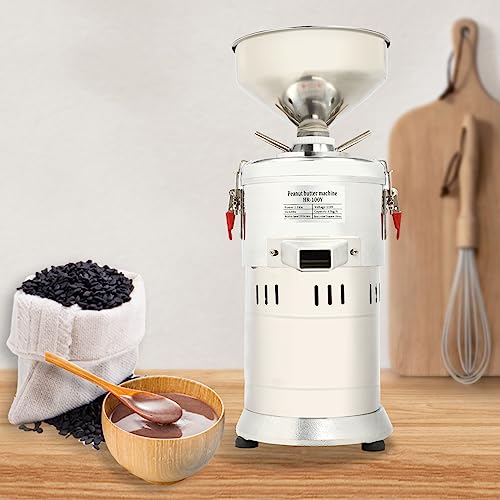
- 33-pound-per-hour stated capacity
- Adjustable coarse-to-fine grinding
- Cooling and overload protection
Best For: Large household or small-business batches
Easy-Use Pick
1100W Electric Nut Butter Grinder
- Ready to use out of the box
- 33-pound-per-hour stated output
- Detachable, wipe-clean design
Best For: Frequent home or commercial grinding
Low-Noise Value
1100W Commercial Sesame Grinder
- 33.07-pound-per-hour stated capacity
- Low-noise motor operation
- Detachable design for easier cleaning
Best For: High-output nut, seed, and grain grinding
High-Capacity Quiet Grinder – 1100W Electric Nut Butter Machine
For shoppers comparing electric nut butter machines, this 1100W model emphasizes high throughput, quieter operation, and durable construction. Its 33-pound-per-hour capacity suits larger batches of peanuts, almonds, sesame seeds, rice, and other dry ingredients.
Best For: Home users or small operations that need high-volume grinding with a relatively quiet motor.
Pros:
- 1100W pure copper motor and white jade grinding wheel support fine grinding.
- Rated capacity of up to 33.07 pounds per hour.
- Stainless steel housing and aluminum crushing bin resist rust and corrosion.
- Detachable design and smooth surfaces simplify cleanup.
Cons:
- Its 25.2-inch height and 33-pound capacity make it less compact than a countertop household model.
- The supplied information does not specify a texture-adjustment range.
This is a practical choice when output and durability matter more than portability. Overload protection and motor cooling vents add reassurance for extended grinding sessions.
Adjustable Commercial Pick – 1100W Commercial Peanut Butter Machine
This commercial-style option stands out among electric nut butter machines with adjustable coarse-to-fine grinding and a 33-pound-per-hour output. It arrives fully assembled and includes stability and safety features for routine use.
Best For: Users who want adjustable texture control and a ready-to-use machine for frequent home or business grinding.
Pros:
- 1100W, 2850-RPM pure copper motor handles up to 33 pounds per hour.
- Control handles let you fine-tune the grind texture.
- Lock buckle, red finger guard, and anti-slip pads improve operating stability.
- Fully assembled with detachable, smooth surfaces for easier cleaning.
Cons:
- At 50.7 pounds, it is a substantial machine to move.
- The large commercial format may be excessive for occasional small batches.
Choose this model if grind adjustment and operational safeguards are priorities. Its heavy build and high output favor a dedicated workspace rather than easy storage.
Compact Household Option – 500ml Electric Nut Grinder
For small kitchens, this compact electric nut butter machine offers a simpler alternative to full-size commercial grinders. The 500ml capacity and 250W motor are suited to DIY batches of peanut butter and mixed nut spreads, with room for sweeteners or spices.
Best For: Household users who prioritize a lightweight, compact machine for small-batch nut butter making.
Pros:
- Compact 500ml capacity and approximately 1.3kg weight are convenient for home use.
- Polished surfaces are designed to be smooth and easy to clean.
- Can be used with peanuts, cashews, hazelnuts, and other kitchen ingredients.
- Simple key-switch operation and cooling holes support straightforward use.
Cons:
- Its 250W motor and 500ml capacity are not intended for high-volume production.
- The listed plastic material may be less rugged than stainless steel commercial models.
- The supplied information does not provide an output rate or grind-adjustment specification.
This is the most space-conscious choice in the group. It makes sense for occasional homemade spreads, but shoppers planning frequent or large batches should consider a higher-capacity machine.
Secure High-Output Mill – 1100W 33-Lb/H Nut Butter Grinder
This model is one of the more capable electric nut butter machines for high-volume grinding, combining a 1100W motor with a stated 33.07-pound-per-hour capacity. Its locking design, adjustable grind handles, and non-slip base make it suitable for organized home or commercial work areas.
Best For: High-output users who want grind adjustment, spill control, and a stable machine base.
Pros:
- 1100W pure copper motor and white jade wheel provide fine, even grinding.
- Two adjustment handles support different coarseness levels.
- Lock design helps prevent spillage, while the red cover adds hand protection.
- Rubber non-slip pads and a 4.92-foot cord improve placement flexibility.
Cons:
- The 25.2-inch-tall design requires considerable counter or floor space.
- The supplied details do not state an operating noise level.
- Its high capacity may be unnecessary for users making only occasional small batches.
Consider this machine when stability and workflow details matter alongside output. The stainless steel body and aluminum grinding barrel also make it a durable fit for repeated use.
High-Capacity Workhorse – 1900W Commercial Peanut Butter Maker
For shoppers comparing electric nut butter machines, this 1900W commercial grinder stands out for its large capacity, high motor speed, and broad dry-ingredient versatility. It can process nuts, seeds, grains, spices, herbs, and coffee, with a 270-degree swing design for easier emptying.
Best For: High-volume home users, small food businesses, and anyone who wants one machine for nut butter, dry spices, grains, and coffee.
Pros:
- 1900W pure copper motor reaches 32,000 RPM and supports 60–350 mesh fineness.
- Large 4-pound collection container suits bigger batches.
- 304 stainless steel construction, overload protection, rubber feet, and tension clasps support stable use.
- Detachable container and blade, timer function, and 270-degree swing make operation more convenient.
Cons:
- Its industrial design may be more machine than occasional users need.
- It is intended for dry ingredients, so it is not a general wet-food blender.
- The corded electric format limits portability.
This is the strongest choice of the three for capacity and ingredient range. Consider it if throughput and adjustability matter more than a compact countertop footprint.
Balanced Batch Grinder – 1100W Peanut Butter Maker
Peanut Butter Maker Machine, 1100W Nut Grinder, 33 lb/h, Home Commercial, 110V
Check Price On AmazonThis 1100W model is a practical middle ground among electric nut butter machines, combining a 33-pound-per-hour output with coarse-to-fine adjustment. Its 1.5-liter capacity and stainless steel housing make it suitable for regular kitchen or commercial food-preparation use.
Best For: Home kitchens, restaurants, and small commercial operations that need adjustable nut butter and sesame paste grinding.
Pros:
- Processes up to 33 pounds of dry ingredients per hour.
- Two adjustment handles provide coarse or fine grinding control.
- Works with peanuts, almonds, cashews, sesame seeds, rice, and similar dry ingredients.
- Heat dissipation vents, overload protection, a large hopper, and detachable parts support extended use and cleanup.
Cons:
- Its 1100W motor and 2,850 RPM speed are lower than the larger 1900W model.
- The listed 1.5-liter capacity is smaller than the first product’s 4-pound container.
- It is designed for dry ingredients rather than wet blending.
Choose this grinder when controlled texture and steady batch output are priorities. It offers a more approachable balance of capacity, adjustment, and countertop usability than a heavier industrial-style machine.
Compact Kitchen Pick – Electric Nut Butter Maker
For shoppers seeking compact electric nut butter machines, this lightweight countertop model focuses on simple nut-and-seed spreads. It can grind peanuts, almonds, cashews, walnuts, hazelnuts, pumpkin seeds, and sunflower seeds, while allowing additions such as honey, chocolate, sugar, cinnamon, and salt.
Best For: Casual home users who want a small, easy-to-store machine for preparing fresh nut and seed butter in modest quantities.
Pros:
- Small and lightweight for convenient storage or occasional transport.
- Supports a broad range of nuts and seeds, including almonds, cashews, walnuts, and sunflower seeds.
- Its 300 ml capacity suits small countertop portions.
- Non-slip base entry and an easy-install design are intended to simplify use.
Cons:
- Its 300 ml capacity is substantially smaller than the other listed machines.
- The plastic construction may be less suited to heavy commercial use.
- The supplied notes do not specify motor wattage, processing speed, or throughput.
This is the most space-conscious option for occasional homemade spreads. Select it for convenience and small portions rather than commercial capacity or detailed performance controls.
High-Capacity Pick – Commercial Peanut Butter Maker
This commercial-style option stands out among electric nut butter machines for its stated 33-pound-per-hour capacity, 1100W pure copper motor, and adjustable coarse-to-fine grinding. Its stainless steel construction and safety features make it suited to larger batches of nut butters, sesame paste, and other dry ingredients.
Best For: Home users or small food businesses that need high-volume grinding and adjustable textures.
Pros:
- Processes up to 33 pounds per hour for large batches.
- White corundum grinding wheels are designed for smooth pastes.
- Cooling vents, overload protection, a lock design, and safety lid add operating safeguards.
- Dual controls allow coarse or fine grinding.
Cons:
- At 50.7 pounds and 25.2 inches tall, it requires dedicated counter or floor space.
- The listed 110V, 1100W title specification and 1500W detail should be verified before purchase.
This is a capacity-focused machine for buyers who prioritize throughput and texture control over compactness. Confirm the electrical specification and available space before ordering.
Easy-Use Pick – 1100W Electric Nut Butter Grinder
For shoppers comparing electric nut butter machines, this model combines a 1100W motor with a stated 33-pound-per-hour output and adjustable texture controls. Its anti-slip feet, detachable design, and fully assembled setup emphasize straightforward use for recurring home or commercial grinding.
Best For: Users who want a ready-to-use grinder for nuts, seeds, and grains with simple cleanup.
Pros:
- Grinds peanuts, almonds, and sesame into fine butter with a 2850-r/min motor.
- Handles up to 33 pounds per hour for larger preparation jobs.
- Two adjustment handles support chunky-to-smooth textures.
- Anti-slip pads, overload protection, and heat-dissipation holes support stable operation.
Cons:
- Its 50.7-pound weight and 25.2-inch height make it less portable.
- The design is intended for dry ingredients, so it may not suit wet or liquid-heavy preparation.
The fully assembled, wipe-clean design is a practical advantage for frequent use. Choose it if you value capacity and convenience, but plan a permanent location for this sizable machine.
Low-Noise Value – 1100W Commercial Sesame Grinder
This electric nut butter machine pairs a 1100W pure copper motor with a stated 33-pound-per-hour capacity and a white jade grinding wheel for fine milling. The stainless steel and aluminum build, low-noise operation, and detachable design make it a practical choice for grinding peanuts, almonds, rice, and sesame.
Best For: Buyers seeking a high-output grinder with quieter operation and simple maintenance.
Pros:
- Stated capacity of up to 33.07 pounds per hour supports large batches.
- Low-noise operation is designed to reduce disruption during use.
- Stainless steel housing and aluminum crushing bin resist corrosion and rust.
- Heat-dissipation holes and overload protection support extended operation.
Cons:
- The product dimensions and substantial commercial format may not suit small kitchens.
- The notes do not specify adjustable texture controls.
This model is strongest for buyers who value throughput, quieter operation, and easy wipe-down cleaning. If you need precise chunky-to-smooth adjustment, verify that feature before choosing it.
How We Picked These Electric Nut Butter Machines
We focused on the specifications that matter when turning nuts and seeds into spreadable butter: motor power, stated processing capacity, grind adjustment, construction, stability, operating convenience, and likely use case. The selected models include several 1100W machines rated around 33 pounds per hour, plus larger-capacity options intended for heavier workloads.
Published ratings are useful for comparison, but actual output depends on ingredient type, roast level, moisture, grind setting, operating time, and whether the machine requires pauses to manage heat. Check the seller’s current specifications, included accessories, warranty, and return policy before purchasing.
Quick Comparison
| Best For | What to Look For |
|---|---|
| Home kitchens | Compact footprint, manageable noise, simple controls, and easy cleaning |
| Frequent batch making | About 1100W or more, stable base, adjustable texture, and effective cooling |
| Small businesses | Higher throughput, durable stainless construction, larger hopper, and service support |
| Fine texture control | An adjustable grinding gap and a design suited to both oily and dense ingredients |
Key Buying Factors for Electric Nut Butter Machines
Motor Power and Real Throughput
Wattage indicates motor capability, not guaranteed output. A powerful machine can process dense nuts more confidently, but advertised pounds-per-hour figures are often best-case estimates. For occasional batches, an 1100W model may be sufficient; commercial users should prioritize sustained-duty performance and cooling.
Texture Adjustment
Adjustable grinding mechanisms let you move from coarse nut meal to smoother butter. Confirm that the control is easy to use and that the machine can maintain a consistent texture without excessive clogging.
Build Quality and Stability
Stainless steel contact parts are generally practical for frequent food preparation, while a non-slip base helps prevent movement. Look for a sturdy frame, secure funnel, accessible fasteners, and parts that can be cleaned without difficult disassembly.
Heat, Noise, and Cleanup
Grinding generates heat, which can affect flavor and texture. Low-noise claims are helpful, but read user feedback for real-world operation. Removable or clearly serviceable grinding components can save significant time after each batch.
Electrical Fit and Safety
Many models in this category are 110V units with a US plug. Verify voltage, plug type, grounding, overload protection, ventilation requirements, and recommended duty cycles before use. Never assume an adapter converts voltage safely.
Who Should Buy Which Electric Nut Butter Machines?
Choose a compact 1100W machine if you make nut butter regularly at home and value a balance of speed, footprint, and price. A model with adjustable grinding and a stable base is the most versatile choice for peanut, almond, cashew, and sesame preparations.
Choose a higher-capacity 1900W or 2000g-class machine if you operate a café, market stall, bakery, or small food business and process larger batches. Confirm that its duty cycle, cooling, cleaning requirements, and replacement-part availability match your workload.
If you are unsure, prioritize usability over the largest specification: reliable controls, straightforward cleanup, safe electrical design, and a suitable return policy usually matter more than a headline capacity number.