Seasonal harvests are a practical time to press fresh oils from seeds, nuts, and herbs—but the right machine depends on your batch size, ingredients, cleanup routine, and available power.
This roundup compares 10 oil presses, including automatic hot-and-cold models, compact presses, manual extractors, and specialty herb tools, so you can choose equipment that fits your harvest workflow.
Best 10 Oil Presses for Seasonal Harvests Picks for 2026
High-Capacity Electric Pick
Automatic Stainless Steel Oil Press

- 3–6 kg per hour stated processing rate
- 50–250°C adjustable temperature
- Stainless steel body with included filter
Best For: Automatic batch pressing across varied seasonal seeds and nuts
Hand-Powered Farmstead Pick
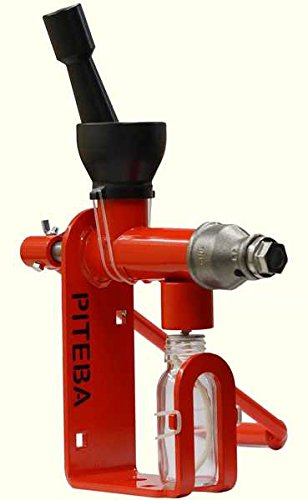
- No external power source required
- Compact 5-pound steel design
- Includes easy-fill funnel
Best For: Off-grid or small-batch seasonal pressing
Heavy-Duty Batch Pick
VEVOR Automatic Oil Press Machine

- Up to 11 lb/hour stated flaxseed capacity
- 122–572°F hot and cold settings
- Supports more than 30 ingredients
Best For: Higher-volume home, restaurant, or market pressing
Compact Original Pick
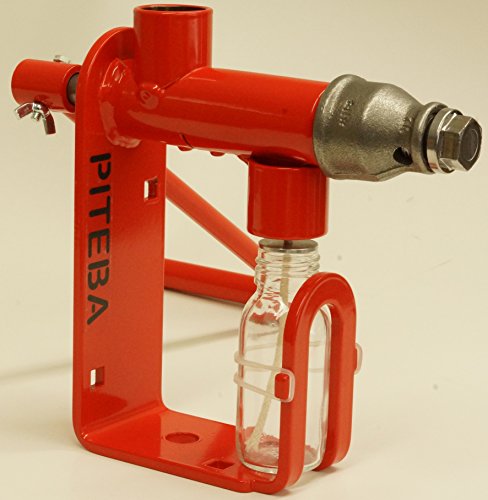
- Lightweight 4.14-pound design
- No external power required
- Compact 12.7-inch length
Best For: Portable, small-batch manual oil pressing
Best Adjustable-Temperature Pick

- Cold- and hot-press operation
- Digital temperature control and timer
- Processes up to 13.22 lb per hour
Best For: Home batch pressing of oil-rich seeds and nuts
Best High-Power Versatility Pick

- 850W motor for extended operation
- Supports over 30 seed and nut types
- Cold/hot modes with reverse function
Best For: Frequent, varied pressing in homes or small businesses
Best Manual Infusion Press

- Separates liquid from infused mixtures
- 2-liter marked receiver
- Dishwasher-friendly stainless-steel kit
Best For: Small-batch tinctures, infused oils, honey, and herb separation
Best with Extra Features

- Hot and cold pressing modes
- Up to 9–13.5 lb/hour listed capacity
- Temperature display and automatic heating
Best For: Large seasonal batches of seeds and nuts
Small-Batch Infusion Pick

- Compact design for limited quantities
- Fine mesh separates solids from liquids
- Dishwasher-safe detachable parts
Best For: Small herbal infusions, extracts, and juice batches
Manual Harvest Pick
CGOLDENWALL Household Oil Press

- Manual physical pressing
- 304 stainless-steel body and handle
- One-liter household-scale capacity
Best For: Hands-on pressing of oil-rich seeds and nuts
High-Capacity Electric Pick – Automatic Stainless Steel Oil Press
For seasonal harvests that include several types of seeds or nuts, this automatic electric model offers adjustable heat and a stated processing rate of 3–6 kg per hour. Its stainless steel housing and included filter make it a practical option for regular batch pressing.
Best For: Home users and small-scale producers who want automatic pressing with adjustable temperatures.
Pros:
- Supports ingredients including sunflower seeds, walnuts, soybeans, coconut, and shelled hemp seeds.
- Adjustable pressing temperature from 50–250°C with automatic heating and temperature display.
- Stainless steel construction, all-steel gears, and a pure-copper-wire motor core.
- Includes an oil cup, filter, insulation gloves, and instruction manual.
Cons:
- Hand-wash care is required.
- The supplied details list both 610W and 600W model references, so buyers should confirm the exact specification.
This is a versatile choice for seasonal harvests when you want to switch between cold- and hot-pressing settings and process multiple kilograms per hour. Its automatic controls reduce hands-on work compared with a manual expeller.
Hand-Powered Farmstead Pick – Piteba Manual Oil Press Set
This compact manual press is a straightforward option for seasonal harvests when you prefer not to rely on electricity. The 5-pound steel tool is designed for continuous expelling and comes with an easy-fill funnel for simpler loading.
Best For: Small farms, off-grid users, and hands-on pressing of modest harvest quantities.
Pros:
- Manual operation requires no external power source.
- Compact design weighs about 5 pounds.
- Designed for continuous expelling with almost no maintenance required.
- Includes a plastic EZ-fill funnel.
Cons:
- Manual operation requires more physical effort than an electric press.
- The supplied notes do not provide a processing capacity or temperature controls.
The Piteba set keeps the process simple and portable, making it useful where electricity is unavailable or undesirable. It is best suited to smaller batches rather than high-volume seasonal processing.
Heavy-Duty Batch Pick – VEVOR Automatic Oil Press Machine
For larger seasonal harvests, this VEVOR electric press combines a stated capacity of up to 11 pounds per hour for flaxseed with broad ingredient compatibility. Its 122–572°F temperature range supports both hot and cold pressing, while the included accessories simplify filtering and cleanup.
Best For: Home, restaurant, and market users who need higher-capacity electric pressing.
Pros:
- Stated hot-press capacity of up to 11 pounds per hour for flaxseed.
- Adjustable 122–572°F temperature range for hot and cold pressing.
- Designed for more than 30 types of nuts, seeds, and oil-rich ingredients.
- Includes an oil cup, stainless steel filter screen, heat-insulating gloves, and cleaning brush.
Cons:
- At 28.7 pounds, it is substantially less portable than a manual press.
- Uses a 220-volt corded electrical connection, which may limit placement.
- Hand-wash care is specified.
This model is a strong fit when seasonal volume and ingredient flexibility matter more than portability. The high temperature range and accessory package make it suitable for varied pressing routines, provided the required electrical setup is available.
Compact Original Pick – Nut and Seed Oil Expeller
This original manual expeller is a compact choice for seasonal harvests when simplicity and portability are priorities. It weighs 4.14 pounds, requires no external power source, and is described as suitable for continuous expelling with minimal maintenance.
Best For: Small-batch users seeking a lightweight, manually operated oil expeller.
Pros:
- Manual operation does not require external power.
- Lightweight 4.14-pound design.
- Compact dimensions of 12.7 × 8.7 × 2.5 inches.
- Designed for continuous expelling with almost no maintenance required.
Cons:
- Manual pressing requires hands-on effort.
- The supplied details do not specify processing capacity or temperature adjustment.
- No included accessories are listed in the provided notes.
With its small footprint and low weight, this expeller is easy to consider for occasional or space-limited pressing. It is a practical fit for modest harvests, though buyers needing measured temperature control or electric throughput should look elsewhere.
Best Adjustable-Temperature Pick – Electric Cold & Hot Oil Press
For seasonal harvests, this electric oil press offers a practical balance of output, temperature control, and material flexibility. Its stainless-steel construction, cold- and hot-press modes, and stated capacity of 6.61–13.22 pounds per hour make it suited to processing batches of oil-rich seeds and nuts at home.
Best For: Home users pressing peanuts, sesame, rapeseed, tea seeds, sunflower seeds, walnuts, soybeans, and similar ingredients.
Pros:
- Cold- and hot-press modes support different ingredients and oil preferences.
- Digital temperature display, thermostatic regulation, and an 8-minute preheat timer simplify operation.
- 304 stainless-steel construction and detachable components support repeated use and cleanup.
- Rated processing range reaches 6.61–13.22 pounds of raw material per hour, with a claimed yield of up to 45%.
Cons:
- Hand-wash care is specified, so cleanup is not designed for the dishwasher.
- The supplied information lists both a 150W motor and 610W maximum power, which may require clarification when comparing electrical specifications.
This is a strong fit when a seasonal harvest calls for repeatable pressing and adjustable heat rather than a purely manual setup. The locking connection and smooth, removable parts are useful practical touches for maintaining a clean workflow.
Best High-Power Versatility Pick – 850W Automatic Oil Press
Among oil presses for seasonal harvests, this 850W automatic model stands out for its broad ingredient support and continuous-operation design. It combines cold and hot pressing, digital controls, a reverse function, and a detachable structure for users who expect to process varied batches over time.
Best For: Home kitchens or small businesses pressing dried, prepared seeds and nuts across more than 30 ingredient types.
Pros:
- Supports both cold and hot pressing, with automatic temperature control and a digital display.
- Pure copper motor is described as low-noise, stable, and suitable for up to 24-hour continuous operation.
- Designed for more than 30 types of seeds and nuts, including flaxseed, peanuts, sunflower seeds, almonds, sesame, soybeans, and olive seeds.
- Detachable components, reverse motor function, and stainless-steel construction support maintenance and residue removal.
Cons:
- Ingredients must be dry and cut into small pieces; green olives, avocados, coffee beans, spices, flowers, and several other materials are specifically excluded.
- Both pressing modes require a 10-minute preheat, and the pressing chamber should be cleaned manually after use.
- Automatic shutoff may occur if hard objects or blocked vents are detected, requiring the obstruction to be cleared before restarting.
This model is better suited to planned, varied harvest processing than occasional single-ingredient use. Its ingredient restrictions and preparation requirements are important, but the higher stated power and wide compatibility offer useful flexibility for larger home workloads or small commercial tasks.
Best Manual Infusion Press – Multiuse Tincture & Oil Press
LETIME Multiuses Press - Tincture, Infused Oil, Infused Honey, Tea, Decoction, Herb Separation Press
Check Price On AmazonThis manual press takes a different approach to seasonal harvests: it separates liquid from prepared tinctures, infused oils, honey, tea, and similar mixtures rather than mechanically extracting oil from raw seeds. Its 2-liter receiver and stainless-steel filter cups make it useful for small-batch infusion and herb-processing work.
Best For: Makers separating infused oils, tinctures, honey, tea, decoctions, and other liquids from solids without using cheesecloth.
Pros:
- Multiuse design handles tinctures, infused oil, butter, honey, tea, decoctions, and herb separation.
- High-gauge 304 stainless steel is described as robust for long-term use.
- 2-liter receiver includes volumetric markings and can also support lotion, cream, and blending projects.
- Most of the kit is dishwasher-friendly, and the product includes a 30-day return period and one-year warranty.
Cons:
- This is a separation press, not an electric seed-and-nut oil extractor.
- The handle ball must be washed separately rather than placed in the dishwasher.
- Its 2-liter capacity may be limiting for especially large seasonal batches.
Choose this press when the harvest has already been infused or decocted and the main task is clean liquid separation. It is a practical complement to an electric oil press, but it should not be mistaken for a machine that extracts oil directly from raw seeds.
Best with Extra Features – 820W Hot & Cold Oil Press
For seasonal harvests that include larger quantities of seeds and nuts, this 820-watt automatic press offers both hot- and cold-press settings. Its stainless-steel construction, temperature controls, and stated capacity of up to 9–13.5 pounds per hour make it suited to extended processing.
Best For: Higher-volume home or small commercial batches of peanuts, walnuts, sunflower seeds, sesame, soybeans, flaxseed, and similar materials.
Pros:
- Hot and cold modes allow different pressing approaches for different raw materials.
- Powerful motor and all-steel gearing support continuous operation for up to 24 hours, according to the listing.
- Intelligent controls display and adjust the oil temperature, with a countdown for heating.
- Includes a filter, oil cup, cleaning brush, gloves, hopper, and other pressing components.
Cons:
- It is not recommended for olives, cocoa beans, spices, flowers, herbs, or coffee beans.
- At 14.9 inches wide and 11.8 inches high, it requires more counter space than a small manual press.
- Product care instructions specify hand washing.
This is the most production-oriented option in the group. Choose it when a seasonal harvest calls for speed, temperature control, and repeatable processing rather than a compact manual setup.
Small-Batch Infusion Pick – Mini Herb Press Strainer
For seasonal harvests of herbs and botanicals in modest quantities, this compact stainless-steel press is designed for straining and squeezing infused liquids rather than extracting seed oil with an expeller. Its marked pitcher and fine mesh basket support controlled small-batch work.
Best For: Personal batches of tincture, infused oil, herbal honey, tea extract, fruit juice, and other herbal or DIY preparations.
Pros:
- Mini format helps match limited material amounts and reduce waste.
- Food-grade 304 stainless-steel pitcher and filter resist rust, corrosion, and odors.
- Fine mesh is designed to separate solids from liquids, while the knob plunger applies one-handed pressure.
- Detachable parts are dishwasher safe according to the listing.
Cons:
- Its small-batch design is not intended for high-volume seasonal seed-oil production.
- It is a manual strainer press, not an electric oil expeller.
- The product is oriented toward infusions, extracts, and liquid separation rather than broad seed processing.
This is a useful companion for herb-focused harvests and small DIY batches. It makes the most sense when precision and easy cleanup matter more than maximum oil yield.
Manual Harvest Pick – CGOLDENWALL Household Oil Press
For seasonal harvests processed at a slower pace, this manual stainless-steel oil press provides physical extraction without an electric motor. Its portable design and one-liter capacity suit users who want hands-on control over smaller batches of oil-rich crops.
Best For: Manual pressing of oil crops such as peanuts, sunflower seeds, tea seeds, sesame, walnuts, and coconut, provided the material is sufficiently oil-rich.
Pros:
- Manual physical pressing avoids chemical ingredients in the extraction process, according to the listing.
- 304 stainless-steel body and handle are designed for rust resistance.
- Portable form factor and one-liter capacity fit household-scale processing.
- Includes English instructions and a one-year warranty.
Cons:
- Manual operation requires more hands-on effort and does not offer automatic throughput.
- The listing does not recommend flaxseed, rapeseed, or olives.
- Continuous heating is required during use, so users should exercise care around the heated press.
This press is a practical choice for gardeners and homesteaders who value portability and direct control. It is less suitable when a large harvest must be processed quickly or with minimal manual work.
How We Picked These Oil Presses for Seasonal Harvests
We focused on the features that matter most when processing harvests in batches: pressing method, temperature control, capacity, construction, ease of feeding, cleanup, and versatility. The selection includes electric machines for repeatable output, manual presses for simpler occasional use, and filtering or infusion tools for herb-focused projects.
Because specifications and included accessories can vary, check the current listing for voltage, stated throughput, temperature range, hopper size, warranty, and replacement-part availability before ordering.
Quick Comparison
| Type | Best suited to | Main advantage | Potential trade-off |
|---|---|---|---|
| Automatic electric press | Regular seed and nut batches | Consistent operation with less manual effort | Requires power and more cleanup |
| Commercial-style electric press | Larger seasonal harvests | Higher stated capacity and stronger motor options | More space, cost, and maintenance |
| Manual press | Small batches or off-grid use | No electricity and direct control | Slower, more labor-intensive operation |
| Herb or tincture press | Infusions and separated plant material | Useful for specialized preparation | Not a substitute for a seed-oil expeller |
Key Buying Factors for Oil Presses for Seasonal Harvests
Capacity and Batch Size
Match the press to your realistic harvest volume rather than the largest number in a product title. A compact machine may be easier to store and adequate for occasional household batches, while a higher-capacity unit can reduce processing time for abundant crops.
Temperature Control
Adjustable heat can help accommodate different seeds and nuts and may improve flow from ingredients that press poorly when cool. If preserving a lower-temperature process is important, confirm that the machine offers meaningful cold-press operation rather than simply advertising both modes.
Feeding, Cleanup, and Maintenance
Wide or easy-fill hoppers reduce preparation time. Detachable parts, accessible pressing chambers, and included cleaning tools are especially valuable during a concentrated harvest season. Look for clear instructions on cooling, disassembly, and oil-cake removal.
Power, Materials, and Safety
Verify that the voltage matches your outlet and that the machine has suitable ventilation and overload protection. Stainless-steel contact surfaces are generally easier to maintain, but always follow the manufacturer’s guidance for food contact, heating, and safe handling.
Who Should Buy Which Oil Presses for Seasonal Harvests?
Choose an automatic electric press if you want repeatable results with less physical effort and plan to process seeds or nuts regularly. Choose a higher-capacity commercial-style model for larger seasonal harvests when speed and throughput matter more than compact storage.
Choose a manual press if you process small quantities, want a power-free option, or prefer a straightforward mechanical design. Choose an herb or tincture press for infusions, honey, tea, or plant separation—but select a dedicated seed-and-nut expeller for producing culinary oils.
Before buying, estimate your batch size, confirm ingredient compatibility, and allow time for pressing, filtering, bottling, and cleaning. Those practical details usually matter more than motor wattage alone.