Making fresh oil at home or in a small commercial kitchen starts with choosing the right press for your ingredients, output goals, and available workspace.
These 10 oil presses span compact automatic machines, manual models, and higher-capacity stainless-steel options, with features for both hot and cold pressing.
Best 10 Oil Presses Picks for 2026
High-Capacity Electric Pick
820W Automatic Hot and Cold Oil Press

- Hot and cold pressing modes
- Claimed 9–13.5 lb-per-hour output
- Temperature display and adjustment
Best For: Frequent home or small commercial pressing
Portable Manual Pick
Original Nut and Seed Oil Expeller
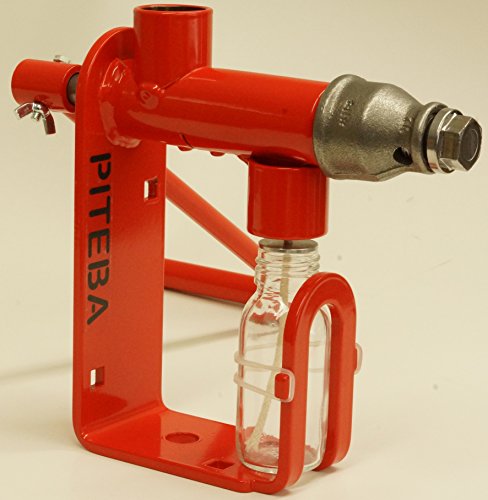
- No external power required
- Continuous expelling design
- Compact 5.2-pound tool
Best For: Small farms and low-tech oil pressing
Versatile Temperature-Controlled Pick
VEVOR Automatic Hot-Press Oil Extractor

- 122°F–572°F adjustable heat
- Claims up to 8.27 lb/hour capacity
- Handles over 30 ingredient types
Best For: Varied hot pressing at home or in small businesses
Compact Manual Stainless-Steel Pick
CGOLDENWALL Manual Seed Oil Press

- Manual physical pressing
- 304 stainless steel construction
- One-year warranty included
Best For: Small-batch pressing of suitable oil-rich crops
Best Overall Versatility
JOYKUVA 850W Automatic Oil Press

- Hot and cold pressing
- Supports 30+ seed and nut types
- Detachable design with reverse function
Best For: Home users seeking a versatile countertop oil press
Best for Higher Throughput

- Processes up to 8.8 pounds per hour
- 104°F–410°F temperature range
- Includes residue separation and filter screen
Best For: Frequent home or small commercial pressing
Best for Safety Features
610W Automatic Hot and Cold Press

- Overheating protection and auto shutoff
- 8-minute preheat countdown
- Hot/cold pressing with digital temperature display
Best For: Users prioritizing heat control and automatic protection
Dual-Outlet Workhorse

- Two independent motors and oil outlets
- Four-stage gears support extended operation
- Automatic controls with lower-noise performance
Best For: High-volume home or commercial pressing
Versatile Pressing Choice
Automatic Hot and Cold Oil Extractor

- Supports hot and cold pressing
- Automatic constant-temperature heating
- Handles many nuts and seeds
Best For: Flexible oil extraction across varied ingredients
Temperature-Controlled Pick

- Adjustable 50–250°C pressing temperature
- Stainless-steel, rust-resistant housing
- Includes cup, filter, gloves, and manual
Best For: Users prioritizing heat control and included accessories
High-Capacity Electric Pick – 820W Automatic Hot and Cold Oil Press
For shoppers comparing oil presses, this 820W stainless steel model stands out for its automatic operation, adjustable temperature control, and hot- or cold-press modes. It is designed for frequent pressing and supports a range of nuts and seeds, though the manufacturer lists several ingredients it cannot process.
Best For: Home users, small commercial operations, and anyone wanting higher-throughput pressing with temperature monitoring.
Pros:
- Hot and cold modes let you choose between higher output and lower-temperature flavor retention.
- Powerful 820W motor and all-steel gearing support continuous operation and claimed output of 9–13.5 pounds per hour.
- Intelligent panel displays and adjusts temperature from 104°F to 464°F.
- Includes a filter, oil cup, cleaning brush, gloves, hopper, and press components.
Cons:
- It is not recommended for olives, cocoa beans, spices, flowers, herbs, or coffee beans.
- At 14.9 inches wide and 11.8 inches high, it needs dedicated counter space.
- Hand-wash care may make cleanup more involved.
This is the most capable option here for users who prioritize automation and capacity. Its ingredient restrictions and larger footprint are the main points to check before buying.
Portable Manual Pick – Original Nut and Seed Oil Expeller
If you want simple oil presses without relying on electricity, this manually operated nut and seed expeller is a compact option. It is intended for continuous expelling with minimal maintenance and ships from the USA, according to the supplied product information.
Best For: Small farms, preparedness, and users who prefer a lightweight manual tool with no external power requirement.
Pros:
- Manual operation requires no external power source.
- Designed for continuous expelling with almost no maintenance required.
- Compact and lightweight at approximately 5.2 pounds.
- Simple operation suits users seeking a straightforward oil-extraction tool.
Cons:
- Manual operation requires physical effort.
- The supplied notes do not specify a motorized capacity or temperature controls.
- Its compact design may be better suited to smaller-scale use than high-volume production.
This expeller makes the most sense when portability, simplicity, and independence from electricity matter more than automated controls or commercial throughput.
Versatile Temperature-Controlled Pick – VEVOR Automatic Hot-Press Oil Extractor
This VEVOR model is one of the more versatile oil presses for buyers who want automatic electric extraction and broad ingredient compatibility. It offers adjustable hot-press temperatures from 122°F to 572°F and a stated capacity of up to 8.27 pounds of flaxseed per hour.
Best For: Home kitchens, restaurants, and small commercial users pressing varied nuts and seeds with adjustable heat.
Pros:
- High-power system claims output of up to 8.27 pounds of flaxseed per hour.
- Wide 122°F–572°F temperature range supports ingredient-specific hot pressing.
- Designed to handle more than 30 nuts, seeds, and oil-rich ingredients.
- Stainless steel core components and included filter, cup, gloves, and brush support operation and cleanup.
Cons:
- This model is relatively heavy at 23.8 pounds.
- The supplied information describes hot pressing rather than a cold-press mode.
- Its 20.47-inch length requires substantial counter or storage space.
Choose this press if temperature flexibility and ingredient range are priorities. Its larger, heavier body is a trade-off for users with limited space or who need a more portable machine.
Compact Manual Stainless-Steel Pick – CGOLDENWALL Manual Seed Oil Press
For shoppers seeking hands-on oil presses, this CGOLDENWALL model uses manual physical pressing in a portable stainless steel body. It is intended for oil-rich crops such as peanuts, sunflower seeds, tea seeds, sesame, walnuts, and coconut, while the manufacturer advises against flaxseed, rapeseed, and olives.
Best For: Users who want a compact manual press for suitable oil-rich crops and do not need electric automation.
Pros:
- Manual physical pressing produces oil without chemical ingredients, according to the product description.
- 304 stainless steel body and handle are designed for rust resistance and durability.
- Portable construction measures about 13 by 4 by 14 inches.
- Includes a one-year warranty and English instructions.
Cons:
- Manual operation requires ongoing physical effort.
- The manufacturer does not recommend it for flaxseed, rapeseed, or olives.
- Continuous heating is required during use, so care is needed around the alcohol-bottle heating setup.
This is a practical pick for small batches when portability and stainless-steel construction matter. Ingredient limitations and the need for continuous heating make it less suitable for fully convenient or broad-spectrum pressing.
Best Overall Versatility – JOYKUVA 850W Automatic Oil Press
If you want one of the more flexible oil presses for home use, the JOYKUVA 850W model supports both hot and cold pressing and more than 30 types of seeds and nuts. Its detachable design, digital controls, and reverse function make it practical for regular countertop use, though ingredients must be prepared carefully to avoid jams.
Best For: Home users who want broad ingredient compatibility, adjustable pressing modes, and a compact stainless steel machine.
Pros:
- Supports hot and cold pressing with intelligent temperature control.
- Processes more than 30 types of seeds and nuts, according to the supplied product information.
- Features a pure copper motor, digital controls, reverse function, and detachable cleaning-friendly design.
- Offers automatic stopping when hard objects or blocked vents are detected.
Cons:
- Requires a 10-minute preheat for both hot and cold pressing.
- Works best with dry, lightly roasted ingredients that are cut into small pieces.
- Some ingredients, including green olives, avocados, coffee beans, spices, and flowers, are specifically excluded.
This is a strong all-around choice for buyers prioritizing versatility and ease of operation. The preparation requirements are important, but the dual pressing modes and wide ingredient support give it useful flexibility for homemade oil production.
Best for Higher Throughput – 610W Commercial Oil Press
Among these oil presses, this 610W commercial-style model stands out for its stated throughput and continuous-operation design. It combines hot and cold pressing, temperature control from 104°F to 410°F, and a separation system intended to help produce cleaner oil with less solid residue.
Best For: Home or small commercial kitchens that value processing capacity, temperature precision, and built-in filtration.
Pros:
- Rated to process up to 8.8 pounds per hour with an 80 RPM screw press.
- Supports both hot and cold pressing for different ingredients and desired results.
- SUS304 stainless steel construction and an intuitive temperature display support practical operation.
- Includes a residue conduit and additional filter screen for separating solid impurities.
Cons:
- Product care instructions specify hand washing.
- The larger commercial-oriented capacity may be more than needed for occasional home use.
- It is designed for dry ingredients such as rice, peanuts, almonds, and sesame seeds, so ingredient compatibility should be checked before use.
This model makes the most sense when output and cleaner separation matter more than a minimalist appliance footprint. Its temperature range and included accessories add useful control for frequent pressing sessions.
Best for Safety Features – 610W Automatic Hot and Cold Press
This 610W automatic model is one of the more safety-focused oil presses in the group, pairing hot and cold pressing with overheating protection, automatic power-off, and built-in cooling features. Its digital temperature display and preheat countdown also simplify routine operation.
Best For: Users who want an automatic oil press with clear temperature monitoring and added heat-management features.
Pros:
- Offers both hot and cold pressing for peanuts, sesame, coconut, soybeans, sunflower seeds, and walnuts.
- Uses a thermostatic heating device with a digital display and 8-minute preheat countdown.
- Includes overheating protection, auto power-off, cooling holes, a built-in fan, and raised-bottom heat dissipation.
- Made from polished 304 stainless steel and includes a filter, funnel, glove, and oil cup.
Cons:
- The listed oil extraction rate varies by ingredient, with peanut yield stated at 40–46%.
- Product care instructions specify hand washing.
- The supplied specifications contain a model-name wattage discrepancy, listing both 650W and 610W details.
This is a practical pick for buyers who prioritize controlled heating and automatic protection. Its accessory set and countdown timer are convenient, while the stated yield figures should be treated as ingredient-dependent rather than universal.
Dual-Outlet Workhorse – 1500W Double-Motor Oil Press
For buyers comparing oil presses for frequent home or commercial use, this 1500W model stands out for its two independent motors and double oil outlets. It is designed to press different materials at the same time or operate one side independently.
Best For: High-volume users who want dual pressing capability and extended continuous operation.
Pros:
- Two independent 1500W motors and outlets can handle separate materials simultaneously.
- Four-stage carbon-steel gears are designed for continuous operation of up to 24 hours.
- Automatic pressing controls, power-saving operation, and noise below 70 dB.
Cons:
- Its 1500W power level may be more than casual users need.
- The machine requires about eight minutes of preheating before pressing.
- It is a sizable countertop appliance at 18.5 by 13.5 by 10 inches.
Choose this model if throughput and flexibility matter most. The dual-motor design is its main advantage, while the preheating step and larger footprint are worth considering for occasional use.
Versatile Pressing Choice – Automatic Hot and Cold Oil Extractor
Automatic Oil Press Machine Industrial Oil Extractor Cold Hot Press Stainless Steel for Nuts Seeds
Check Price On AmazonThis automatic oil press is a versatile option for shoppers seeking oil presses that support both hot and cold extraction. Its 1000W motor, constant-temperature heating, and broad material compatibility suit regular oil-processing tasks.
Best For: Users who want hot- and cold-press flexibility for a wide range of nuts and seeds.
Pros:
- Supports both cold pressing for nutrient preservation and hot pressing for moisture removal.
- Automatic constant-temperature heating allows dry materials to be pressed without separate frying.
- Designed for continuous 24-hour operation with a heavy-duty industrial motor.
- Works with materials including peanuts, sesame, sunflower, flax, walnut, almond, olive, and pumpkin.
Cons:
- The supplied details do not specify an adjustable temperature range.
- Its industrial-oriented design may be more capability than occasional users require.
- No included accessories are identified in the supplied product information.
This is a strong fit when extraction flexibility is more important than a compact feature set. Its automatic heating and extensive ingredient range make it adaptable, though buyers wanting precise temperature specifications should verify them before purchase.
Temperature-Controlled Pick – 610W Automatic Seed Oil Maker
For shoppers comparing oil presses with temperature control, this stainless-steel machine offers adjustable pressing from 50 to 250°C. Automatic heating, a displayed temperature value, and a stated capacity of 3–6 kg per hour make it suitable for processing several common seeds and nuts.
Best For: Users who want adjustable heat settings and straightforward automatic operation.
Pros:
- Temperature can be adjusted from 50 to 250°C with automatic heating and display control.
- Food-grade stainless-steel housing is rust-resistant, corrosion-resistant, and easier to clean.
- Suitable for materials such as coconut, sunflower seed, walnut, soybean, perilla seed, and hemp seed.
- Includes an oil cup, filter, insulation gloves, and instruction manual.
Cons:
- The supplied specifications list differing motor references, including 610W, 600W, and 150W.
- Hand-wash-only care may require more cleanup time.
- The stated 3–6 kg-per-hour capacity can vary by material and operating conditions.
This model is appealing for buyers who want visible, adjustable temperature control and useful starter accessories. Because the supplied power details are inconsistent, confirm the exact motor specification before ordering.
How We Picked These Oil Presses
We focused on the factors that most affect real-world pressing: motor power, stated throughput, temperature control, pressing-method flexibility, cleaning access, construction, operating voltage, and intended workload. The selection includes manual and electric models so buyers can compare simplicity with speed, as well as countertop machines alongside more capable commercial-style presses.
Because manufacturer capacity claims can vary by seed type and preparation, treat advertised output as a reference rather than a guarantee. Hardness, moisture content, feeding consistency, and temperature all influence yield.
Quick Comparison
| Best suited for | Look for | Trade-off |
|---|---|---|
| Occasional home use | Compact automatic operation and straightforward controls | Lower sustained capacity |
| Maximum control | Manual adjustment and cold-press capability | More hands-on effort |
| Frequent household batches | Detachable parts, wider feed paths, and easy cleaning | More counter space and maintenance |
| Small commercial work | Higher wattage, stainless construction, and continuous operation | Higher cost, noise, and power demands |
Key Buying Factors for Oil Presses
Capacity and Motor Power
Choose capacity based on how much oil you need per session, not simply the largest wattage. A compact press can be more practical for occasional use, while 850W-and-up models may be better for repeated batches. Check whether the listed capacity applies to a particular seed and whether the machine is rated for continuous operation.
Hot Versus Cold Pressing
Cold pressing generally prioritizes lower processing temperatures, while hot pressing can improve flow or yield for some ingredients. Adjustable temperature control is useful when working with different nuts and seeds, but verify the actual temperature range and allow time for the press to heat before feeding.
Cleaning and Maintenance
Oil residue hardens quickly. Detachable components, accessible pressing chambers, included tools, and stainless-steel surfaces can make cleanup substantially easier. Confirm which parts may be washed with water and which must remain dry.
Compatibility and Safety
Check the supported ingredients, hopper size, 110V requirements, footprint, and ventilation needs. Look for overload protection, stable feet, guarded moving parts, and clear instructions. Do not assume every press handles olives, coconut, or very hard seeds equally well.
Who Should Buy Which Oil Presses?
Choose a manual press if you value mechanical simplicity, quiet operation, and control over small batches. A compact automatic model is a better fit for home cooks who want push-button operation without commercial-size equipment. Buyers pressing oil regularly should prioritize removable parts, dependable temperature adjustment, and a motor suited to repeated cycles.
For farm stands, specialty food preparation, or other demanding workloads, consider a commercial-style stainless-steel machine with higher throughput and continuous-use guidance. Whichever model you choose, buy fresh, properly dried ingredients and follow the manufacturer’s limits to protect the machine and improve consistency.