Starting a home herbalism starter kit is one of the easiest ways to learn both growing and remedy-making at the same time. The best options combine useful seed varieties, clear instruction, and beginner-friendly formats.
Below, you’ll find a practical mix of herb seed kits and herbal reference books to help you build a home apothecary that fits your space, skill level, and goals.
Best 10 Home Herbalism Starter Kit Picks for 2026
Apothecary Seed Starter
32 Medicinal Herbs & Tea Seeds
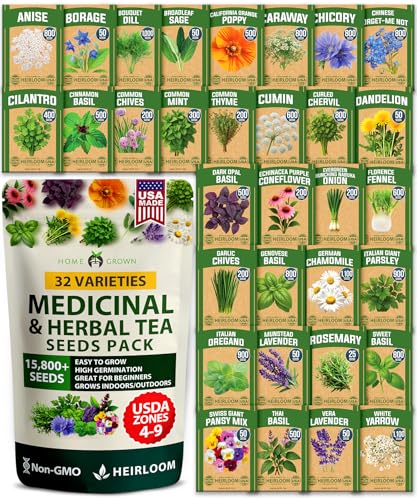
- 32 heirloom medicinal and tea herb varieties
- Non-GMO, open-pollinated, high-germination seeds
- Suitable for indoor, outdoor, and container growing
Best For: Gardeners building a flexible herbal tea and wellness garden
Herbal Medicine Making Guide
The Modern Herbal Dispensatory
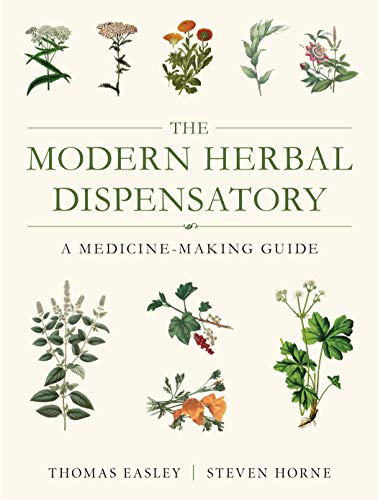
- Shows how to make teas, tinctures, oils, and syrups
- Includes 250 remedies and clear step-by-step methods
- Useful for learning extraction ratios and preparation choices
Best For: Home herbalists who want to make real remedies from herbs
Gifted Herb Seed Bundle

- 39 heirloom medicinal and tea herb varieties
- Burlap gift bag with QR growing guide
- Indoor/outdoor compatible for year-round use
Best For: Gift shoppers and beginners who want a larger seed assortment
Herbal Reference Library
Encyclopedia of Herbal Medicine

- Covers 560+ herbs and nearly 150 ailments
- Includes growing, identification, and remedy guidance
- Shows how to make teas, tinctures, syrups, and oils
Best For: Readers who want a deep herbal medicine reference
Home Apothecary Seed Chest
Lush&Dew Ancestral Apothecary Medicinal Tea Herb Seed Chest

- 40 heirloom herb seed varieties in one kit
- Useful for teas, tinctures, balms, and cooking
- Reusable wooden box with labeled storage
Best For: Beginners who want a seed-focused herbalism starter kit
Beginner Herb Guide
Rosemary Gladstar's Medicinal Herbs

- Explains 33 healing herbs and how to use them
- Covers growing, harvesting, and preparing remedies
- Good reference for teas, tinctures, oils, and creams
Best For: Beginners who want a practical herbal reference book
Home Remedy Apothecary Guide

- 250 remedies organized in a browsable format
- Includes photos, measurements, and step-by-step instructions
- Covers salves, tinctures, sleep aids, and more
Best For: Readers who want a large DIY natural remedy reference
Herb Seed Variety
36 Medicinal Herb Seeds Variety Pack

- 36 non-GMO medicinal herb seed varieties
- Includes planting instructions for beginners
- Good for teas, tinctures, and cooking
Best For: New growers building a home tea garden and apothecary
Herbal Remedy Encyclopedia
The Ancient Herbalist & Healer

- 500+ herbal remedies and recipes
- Full-color hardcover with 450+ pages
- Organized for quick reference by topic
Best For: Herbal learners wanting a detailed remedy reference
Quick-Start Herbal Guide

- Covers the top 27 herbs to keep on hand
- Explains growing, harvesting, and storage
- Includes remedies for 77 common ailments
Best For: Beginners who want a practical herbalism roadmap
Apothecary Seed Starter – 32 Medicinal Herbs & Tea Seeds
If you want a home herbalism starter kit that focuses on growing, this 32-variety medicinal herb and tea seed pack gives you a broad mix of heirloom, non-GMO plants for indoor or outdoor use. It’s built for gardeners who want to cultivate herbs for teas, aromatic blends, and a compact wellness garden with strong variety.
Best For: Growers who want a wide, wellness-focused seed collection for teas, cooking, and herbal garden projects.
Pros:
- Includes 32 medicinal and tea herb seed varieties
- Non-GMO, open-pollinated, and described as high germination
- Works for indoor windowsills, outdoor beds, and containers
- Offers a diverse mix for teas, culinary use, and pollinator-friendly planting
Cons:
- Seeds-only kit, so you’ll need your own soil, pots, and growing setup
- Best fit for people who want to grow herbs rather than buy ready-made remedies
This is a strong option if your goal is to build an herbal garden from the ground up. The variety is especially appealing for anyone who wants a flexible, all-season herb supply rather than a narrow specialty pack.
Herbal Medicine Making Guide – The Modern Herbal Dispensatory
For a home herbalism starter kit that leans into preparation and technique, this medicine-making guide is a practical pick. It focuses on how to turn herbs into teas, tinctures, oils, syrups, and other preparations, making it useful if you want your kitchen remedies to be more intentional and consistent.
Best For: Beginners and home herbalists who want to learn how to make effective herbal preparations.
Pros:
- Covers 250 proven remedies with step-by-step instructions
- Explains teas, tinctures, oils, lozenges, extracts, and more
- Breaks down extraction methods and ratios in practical terms
- Includes photo guides, sourcing tips, appendices, and an index
Cons:
- It is a reference book, not a physical herb-growing kit
- Some advanced methods may be more than a casual beginner needs right away
This book stands out if you already have herbs and want better results from them. It is especially helpful for anyone building a serious home apothecary and learning which preparation method matches each herb.
Gifted Herb Seed Bundle – 39 Medicinal Herb Seeds
If you’re shopping for a home herbalism starter kit with a giftable feel, this 39-variety medicinal and tea seed set is an easy place to start. It combines heirloom, non-GMO herb seeds with indoor/outdoor flexibility, so it works well for windowsill growing or seasonal garden beds.
Best For: Gift buyers, beginners, and gardeners who want a larger herb seed assortment for home growing.
Pros:
- Includes 39 medicinal and tea herb varieties
- Packaged in a burlap gift bag for a more presentable look
- Designed for indoor pots or outdoor growing
- QR code links to a digital planting guide
Cons:
- Like most seed kits, it does not include pots, soil, or tools
- Growing results depend on your light, watering, and care setup
This kit is a good choice if you want more variety and a nicer presentation than a plain seed packet set. The included planting guide also makes it approachable for someone starting an herbal garden for the first time.
Herbal Reference Library – Encyclopedia of Herbal Medicine
Encyclopedia of Herbal Medicine New Edition: 560 Herbs and Remedies for Common Ailments
Check Price On AmazonFor a home herbalism starter kit that prioritizes knowledge, this encyclopedia is a strong reference to keep on hand. It explains how to grow herbs, identify plants, and make practical home remedies like tea infusions, tinctures, syrups, infused oils, and poultices with safety in mind.
Best For: Readers who want a broad, well-illustrated herbal reference for learning remedies and plant uses.
Pros:
- Covers more than 560 herbs and nearly 150 ailments
- Includes clear imagery and accessible explanations
- Shows how to make several common herbal preparations
- Combines traditional uses with updated scientific research
Cons:
- It is a large reference book, not a hands-on kit
- Best suited to readers who want depth rather than a quick overview
This is the most comprehensive learning option in the group if you want to understand herbal medicine from multiple angles. It works well as the “brain” of a home apothecary, especially when paired with actual herbs or seeds.
Home Apothecary Seed Chest – Lush&Dew Ancestral Apothecary Medicinal Tea Herb Seed Chest
If you’re building a home herbalism starter kit from the ground up, this seed chest gives you a broad mix of heirloom herbs to grow indoors or out. It includes 40 labeled varieties, so you can start with familiar plants like basil, chamomile, lavender, and oregano, then expand into a more complete medicinal herb garden over time.
Best For: Beginners, home apothecary hobbyists, and gardeners who want a seed-based herbalism starter kit with many varieties in one organized box.
Pros:
- 40 varieties of non-GMO heirloom herb seeds in labeled acrylic containers.
- Includes herbs suited for teas, tinctures, balms, ointments, and culinary use.
- Reusable wooden storage box with planting guides for easier organization.
- Can be planted in pots, raised beds, greenhouses, or a windowsill.
Cons:
- Seeds still require planting, care, and patience before you can harvest anything.
- Indoor success will depend on light and regular watering.
- Best value is for people who want to grow herbs, not just store them.
This is a practical pick if you want a home herbalism starter kit that supports both gardening and basic home apothecary use. The variety is the main advantage here: it gives you room to experiment with different herbs without buying each packet separately.
Beginner Herb Guide – Rosemary Gladstar's Medicinal Herbs
Rosemary Gladstar's Medicinal Herbs: A Beginner's Guide: 33 Healing Herbs to Know, Grow, and Use
Check Price On AmazonFor a home herbalism starter kit that starts with knowledge instead of supplies, this beginner-friendly guide is a smart foundation. It profiles 33 healing herbs and explains how to grow, harvest, prepare, and use them in common preparations like teas, tinctures, oils, lotions, and creams.
Best For: New herbalists and home remedy DIYers who want a straightforward reference for learning herbs and basic preparation methods.
Pros:
- Covers 33 common healing herbs in an easy-to-follow format.
- Includes guidance on growing, harvesting, preparing, and using herbs.
- Helpful for learning simple remedies like teas, tinctures, oils, and creams.
- Practical for building a low-cost herbal medicine cabinet.
Cons:
- It’s a book, so it does not include any physical herbs or tools.
- Readers still need to source plants and ingredients separately.
- Best suited to learning basics rather than offering a full remedy library.
If you’re assembling a home herbalism starter kit, this title works well as the instruction manual that helps everything else make sense. It’s especially useful if you want to understand what herbs do before buying seeds, dried herbs, or supplies.
Home Remedy Apothecary Guide – Forgotten Home Apothecary
If your home herbalism starter kit is meant to cover everyday remedies, this book is built as a large at-home reference. It organizes 250 natural remedies into a visually navigable format with photos, step-by-step instructions, measurements, and dosages, making it easier to look up common DIY preparations.
Best For: Readers who want a big, recipe-style home apothecary guide with lots of indexed remedies and clear instructions.
Pros:
- Includes 250 remedies organized for easy browsing.
- Step-by-step instructions, color photos, and measurements support follow-through.
- Covers a wide range of home remedy topics, from sleep aids to salves.
- Useful as a broad reference for natural preparations at home.
Cons:
- It is an informational book, not a kit with ingredients or tools.
- Readers need to source and prepare the remedies themselves.
- Health-related use should be approached carefully and with professional guidance when needed.
This is a strong choice if you want a home herbalism starter kit anchored by a large, organized remedy library. It pairs well with seeds or supplies because it gives you a lot of ideas for what to make once you start growing and gathering ingredients.
Herb Seed Variety – 36 Medicinal Herb Seeds Variety Pack
If you’re building a home herbalism starter kit, this 36-seed variety pack is a straightforward way to stock a tea garden with familiar medicinal herbs and a few less common options. It’s geared toward indoor or outdoor planting, and the included instructions make it easier for beginners to get started with growing herbs for teas, tinctures, and kitchen use.
Best For: Beginners, homesteaders, and tea gardeners who want a wide herb seed selection to start growing remedies at home.
Pros:
- Large variety pack with well-known herbs like chamomile, lavender, echinacea, yarrow, and mugwort.
- Non-GMO seeds are tested for high germination rates.
- Clear planting instructions included for indoor or outdoor growing.
- Useful for teas, tinctures, and general home apothecary projects.
Cons:
- Seeds require time and growing space before you can harvest anything.
- Results will depend on light, care, and growing conditions.
This is a practical pick if you want the growing side of herbalism, not just finished remedies. It offers variety, beginner-friendly guidance, and enough range to support a more flexible home apothecary over time.
Herbal Remedy Encyclopedia – The Ancient Herbalist & Healer
For shoppers comparing books for a home herbalism starter kit, this hardcover encyclopedia is a reference-heavy option focused on recipes and remedy ideas rather than growing supplies. It gathers 500+ herbal remedies, teas, tonics, and salves in a full-color format with step-by-step recipes and organized reference sections.
Best For: Readers who want a large herbal remedy reference book with recipes, guides, and quick lookup organization.
Pros:
- Includes 500+ remedies across teas, tonics, salves, and more.
- Full-color hardcover with 450+ pages and illustrated guides.
- Organized by ailment, body system, and age group for faster reference.
- Covers daily wellness, beauty, hormonal health, and children’s remedies.
Cons:
- It is a book, so it does not include physical herbal supplies.
- Some buyers may prefer a more focused beginner manual instead of a large encyclopedia.
This is a strong fit if you want a substantial desk or shelf reference to support your herbal learning. It works best as a companion to ingredients, garden herbs, or other starter kit items.
Quick-Start Herbal Guide – Herbal Remedies Starter Kit
This book is aimed at readers who want a practical home herbalism starter kit guide with a simple path from learning to making remedies. It covers herb history, the science behind medicinal plants, the top 27 herbs to keep on hand, and how to grow, harvest, store, and prepare remedies at home.
Best For: Beginners who want a step-by-step introduction to homemade herbal remedies and core medicinal herbs.
Pros:
- Breaks down herbalism into five easy steps or less for remedy-making.
- Includes the top 27 herbs to keep on hand for everyday vitality.
- Covers growing, harvesting, and storing herbs for year-round use.
- Offers remedies for 77 common ailments with a beginner-friendly approach.
Cons:
- It is a guidebook, not a physical kit of herbs or tools.
- Readers looking for a very short overview may find it more detailed than expected.
This is the most step-by-step option of the three, making it a good starting point if you want structure and practical process. It pairs well with seeds or ingredients once you’re ready to build out your own apothecary.
How We Picked These Home Herbalism Starter Kit Options
We focused on products that help beginners actually get started, not just collect supplies. That means clear educational value, a useful herb selection, and formats that support either growing, studying, or making simple preparations at home. We also looked for beginner-friendly choices that work well together as part of a complete Home Herbalism Starter Kit.
Seed kits were chosen for variety, indoor/outdoor flexibility, and broad appeal for tea, wellness, and culinary herbs. Books were selected for practical instruction, remedy ideas, and strong reputations for helping new herbalists build confidence.
Quick Comparison
If you want to grow herbs first, choose a seed-based kit. If you want to learn recipes and safety basics first, start with a book. The best setup often combines one seed pack and one reliable reference guide, so you can identify, grow, harvest, and use herbs with more confidence.
Seed Kits
Best for hands-on gardeners, apartment growers, and anyone who wants fresh herbs for tea blends or home use.
Books and Guides
Best for readers who want step-by-step preparation methods, herb profiles, and a stronger foundation before making remedies.
Key Buying Factors for a Home Herbalism Starter Kit
Herb variety: Look for a mix of familiar, versatile plants such as chamomile, calendula, lavender, echinacea, rosemary, and yarrow. A balanced mix gives you more options for learning and use.
Growing conditions: Check whether the seeds are suited to indoor pots, outdoor beds, or both. This matters if you’re building a Home Herbalism Starter Kit for a small space, balcony, or garden.
Skill level: Beginners usually do best with kits that include easy-to-grow herbs and books that explain safety, dosage caution, and basic preparation methods in plain language.
Purpose: Decide whether your main goal is tea herbs, kitchen remedies, apothecary recipes, or general wellness education. Some products lean more toward gardening, while others focus on making tinctures, salves, infusions, and decoctions.
Safety and accuracy: Herbalism depends on correct identification and responsible use. Reliable guides should explain traditional use without overselling claims.
Who Should Buy Which Home Herbalism Starter Kit?
New gardeners: Start with a seed-heavy kit if you want to grow your own herbs from scratch.
Absolute beginners to herbal medicine: Choose a beginner book or starter guide first, then add seeds later.
Practical home apothecary builders: Combine one seed pack with one reference book for the most complete setup.
Gift shoppers: Seed chests and bundled herbal books make especially useful gifts for anyone interested in wellness, gardening, or natural living.
For most buyers, the best Home Herbalism Starter Kit is the one that matches your space, your learning style, and how hands-on you want to be from day one.